


BEYOND THE DANCE FLOOR: Why Uganda’s Dance Scene Needs More Than Talent to Thrive
- skillzeaconnect
- Dec 15, 2025
- 5 min read
A deep look at infrastructure, service roles, and the Dance Nexus — the next chapter of Uganda’s creative evolution.
By Rique Orenia

Uganda’s dance sector is experiencing a cultural moment. From cyphers in Kampala’s creative hubs to traditional troupes in communities across the country, dance has become one of the most vibrant youth-driven art forms in East Africa. The passion is undeniable. The talent is remarkable. The community is resilient. But as powerful as the movement is, a deeper truth is emerging:
It is going to take more than dance floor skills for this ecosystem to truly thrive.
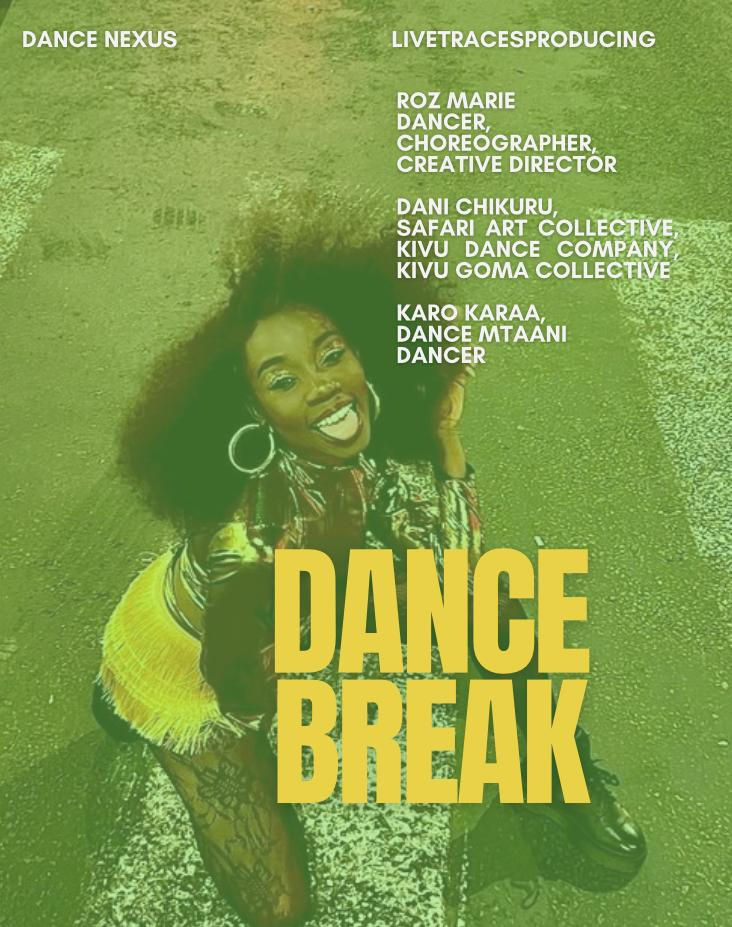
In a recent conversation, cultural development advocate Roz Merie said something that has become central to this discussion:
“We need to be our own service providers and not only just dance.”
Those words echo across the entire sector. They challenge dancers, festivals, academies, and cultural leaders to rethink what growth truly looks like. Because while Uganda has produced incredible performers, what it urgently needs now is an ecosystem capable of supporting and sustaining them.
This is an expanded look at the past, the gaps, and the future — with special attention to the Dance Nexus, the new transitional model launched by Skillz Dance Fest to address this very challenge.
THE FOUNDATION: Celebrating the Work That Has Come Before
Before thinking about what needs to be built, it is important to honour what already exists.
Uganda’s dance culture did not emerge overnight. It is the result of years of grassroots determination, cultural practice, and social impact.
Documentaries & Global Visibility
The defining example is Bouncing Cats, the internationally acclaimed documentary that introduced the world to Uganda’s Hip-Hop scene and its transformative work with young people. Link: https://www.youtube.com/watch?v=7W4Yzq4p2Kk
The film documented not just dancers, but an entire generation using movement as healing and expression.
Community Hubs & Spaces of Belonging
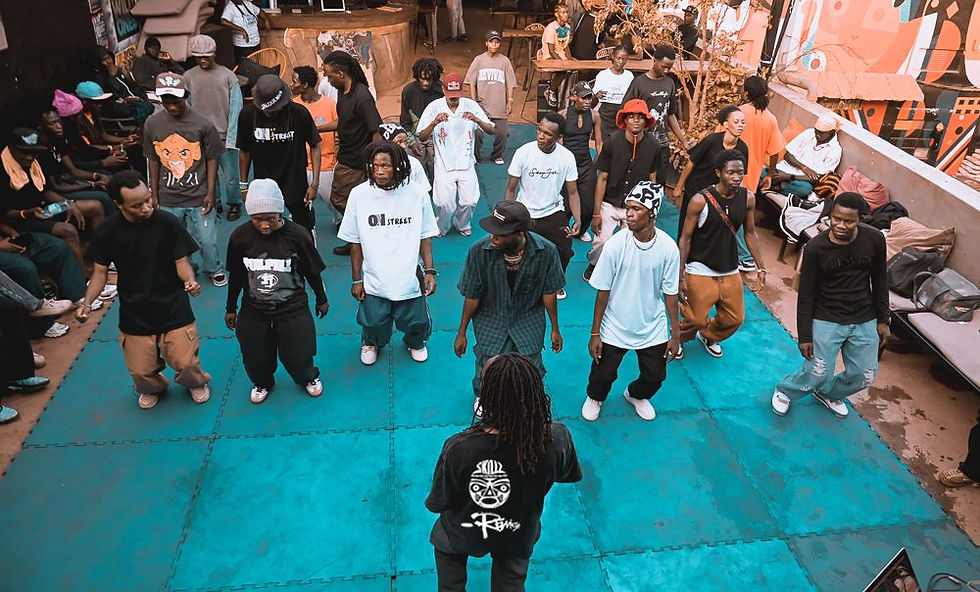
Organizations like Breakdance Project Uganda (BPU), Sosolya Undugu Family Academy (S.O.U.F.A.), Soul Expressions and many other community groups built safe spaces for thousands of youths to learn, connect, and find identity. Weekly sessions across Kampala, Gulu, Mbarara, and other towns have become anchors of cultural growth.
Festivals, Battles, and Gatherings
Skillz Dance Fest, Batalo Dance Fest, The Floor Motion, The Local Get Down and neighbourhood jams — all of these platforms have kept culture circulating. They introduced competitive discipline, artistic exchange, and continental visibility.
International Collaborations
Ugandan dancers have travelled, competed, and collaborated across Africa, Europe, Asia, and the US. These exchanges broadened technique and created networks that continue to influence the scene today. Together, these contributions form a foundation strong enough to support Uganda’s next big leap: building a professional, sustainable dance ecosystem.
THE MIDDLE GROUND: The Gap Between Talent and Structure
For years, the industry’s biggest conversations centred around improving the dancer — better technique, performance readiness, discipline, and professionalism.
But improving the performer alone does not build an industry.
This has created a missing middle — a gap between talented dancers and the structural systems needed to turn dance into a viable creative economy.
THE ROLES UGANDA NEEDS — AND THAT DANCERS CAN FILL
1. Production & Technical Skills
Lighting designers, sound engineers, stage managers, and event producers who understand dance — not just generic events.
2. Administration & Creative Business Development
Budgeting, logistics, contracting, proposal writing, and festival administration are essential.
3. Marketing, Storytelling & Digital Strategy
The modern creative industry runs on visibility. Dancers need:
brand identity
communication strategies
content creation
audience engagement
online documentation
4. Research, Documentation & Data Management
One of the biggest gaps is the lack of data. Without:
statistics
mappings
participation records
financial impact tracking — dance remains invisible in national planning.
5. Education & Curriculum Development
To pass knowledge on, Uganda needs trained dance educators and structured learning models — something still in early development.
This missing middle is what restricts growth. Talent alone cannot carry the industry into sustainability. What dancers need now are systems, not just stages.
BECOMING OUR OWN SERVICE PROVIDERS
Why ownership of the ecosystem is the next step.
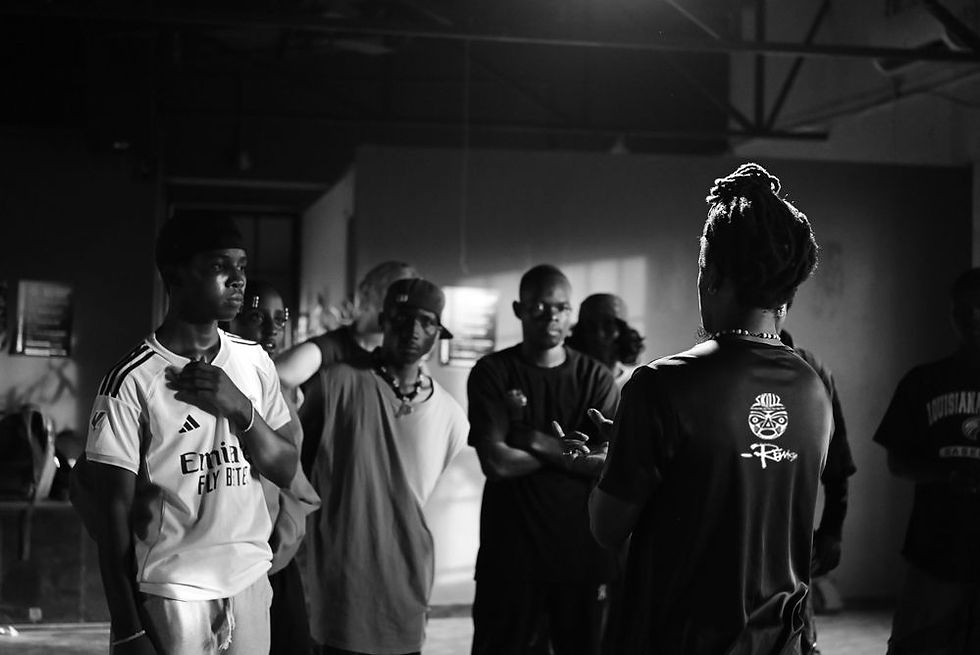
Roz Merie’s guidance calls for dancers to evolve into industry builders — not just performers waiting for opportunities.
Imagine a sector where dancers themselves are:
the producers
the marketers
the researchers
the managers
the archivists
the festival coordinators
the grant writers
the documentarians
This is not unrealistic. Many dancers already possess the creativity, discipline, and lived experience to take on these roles. If Uganda wants a thriving dance industry, dancers must own the ecosystem, not sit on the sidelines of it.
INTRODUCING THE DANCE NEXUS: Skillz Dance Fest’s Transitional Model
A structural innovation designed to bridge the gap.

The Dance Nexus ( https://dancenexusafrica.org/ ) is an ambitious new model launched by SKILLZ Dance Fest to address the gaps in Uganda’s dance ecosystem. It is designed to transition dancers from being performers to becoming multi-skilled contributors to a structured creative industry.
WHAT IS THE PURPOSE OF THE DANCE NEXUS?
To build the service systems, knowledge networks, and data structures needed for Uganda’s dance scene to move from passion-driven to professionally-driven.
CORE COMPONENTS OF THE DANCE NEXUS
1. Capacity-Building Portals
These are structured modules that equip dancers with skills beyond performing:
event production
administration & management
digital storytelling
marketing and branding
documentation
arts entrepreneurship
archiving
festival systems
This allows dancers to access multiple income streams and leadership paths.
2. Data Intelligence & Impact Tracking
The Dance Nexus is building systems to collect:
audience numbers
participation demographics
event impact
community growth
economic contributions
national reach
digital analytics
This transforms dance from an informal sector into one backed by evidence, numbers, and measurable outcomes.
3. Regional & International Connectivity
The Nexus facilitates:
artist mobility
residencies
cross-border collaborations
exchange programs
professional networks
This positions Uganda as a key player in East Africa’s dance ecosystem.
4. Festival Integration
Skillz Dance Fest becomes both:
a stage for dancers
a laboratory for testing new systems
a space for training service providers
a data collection point
a platform for showcasing annual industry growth
This festival-to-Nexus connection is a breakthrough model for sustainable cultural ecosystems.
WHY DATA WILL DEFINE THE FUTURE OF DANCE IN UGANDA
In most creative industries around the world, data is what shapes policy, funding, and investment. Uganda’s dance community cannot expect full recognition without showing its numbers.
THE LACK OF DATA HAS BEEN A MAJOR BARRIER
Without evidence, it is difficult to:
secure funding
prove economic value
advocate for policy
build partnerships
grow into a recognized sector
The Dance Nexus is changing that by creating a reliable, long-term data system.
DATA WILL ENABLE:
national benchmarking
sponsorship attraction
clear audience mapping
identification of growth trends
meaningful arts education development
documentation of cultural evolution
Data turns dance from passion into policy.
THE FESTIVAL AS TALENT — THE DATA AS EVIDENCE
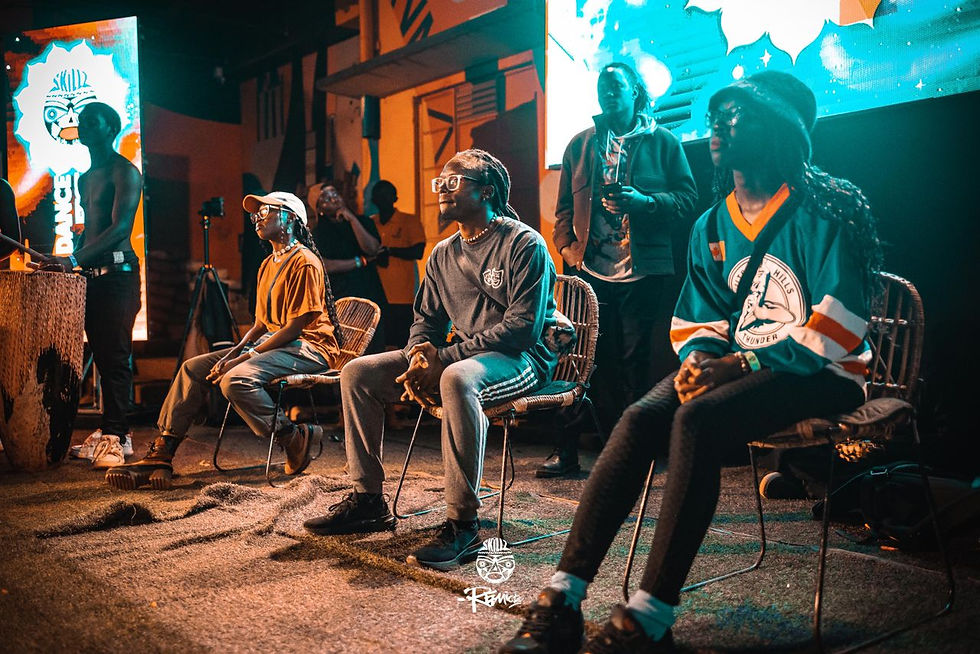
Skillz Dance Fest has long been a gathering point for the region’s best dancers. But with the Nexus model, it becomes something more:
A combined engine of creativity and credibility.
The festival shows:
artistry
culture
identity
community
youth innovation
The Nexus shows:
impact
numbers
growth
evidence
long-term potential
Together, they form a blueprint for a modern creative ecosystem.
THE FUTURE: Building a Dance Economy That Belongs to Us
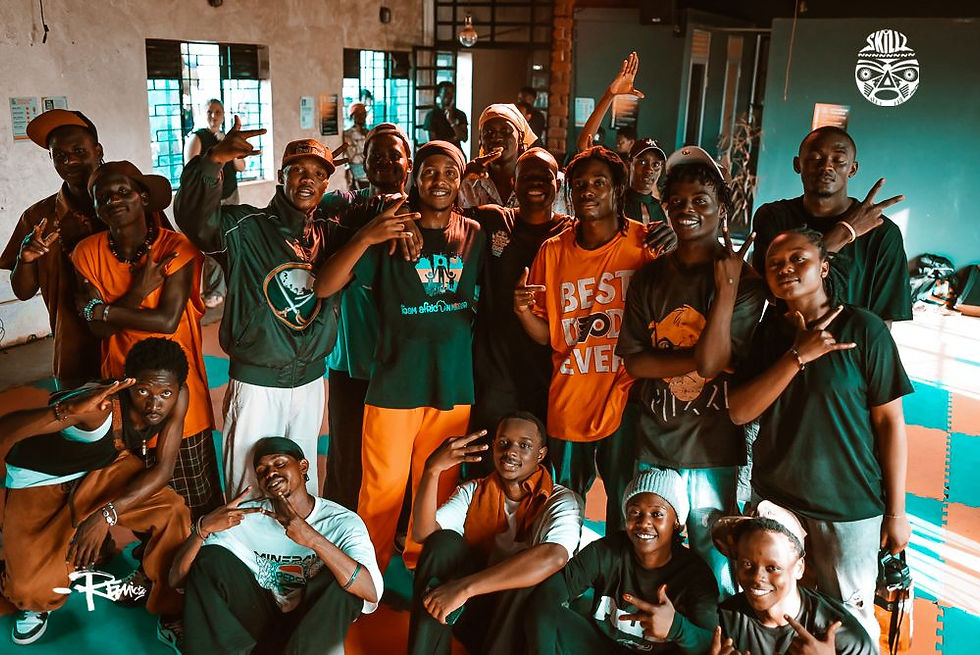
Uganda stands at a critical turning point. The talent is strong, the culture is rich, and the youth population is ready. What we build now will determine whether dance becomes:
a sustainable profession,
a cultural export,
a youth development pathway,
a contributor to the national creative economy, or another underfunded passion sector.
For Uganda’s dance scene to thrive, we must:
train dancers for service roles
build strong data systems
invest in creative business skills
develop educators and festival technicians
strengthen regional networks
collaborate instead of compete
advocate through evidence
build our own systems and own our infrastructure
The future of dance is not only on the dance floor — it is in the systems behind it.
And with the Dance Nexus, Uganda is laying the groundwork for a new, self-sustaining, innovative chapter in African creative development.


Comments